
Game Harbor Review
Hades II
GameHarbor Score: 9.4 / 10
A confident sequel that expands the original game’s fast, reactive combat without losing the clarity, personality or run-to-run momentum that made Hades so easy to return to.
Quick Verdict
A confident sequel that expands the original game’s fast, reactive combat without losing the clarity, personality or run-to-run momentum that made Hades so easy to return to.
Essential for players who enjoy demanding action, experimentation and stories that unfold through repeated attempts. Players who dislike roguelite resets will still face the genre’s central friction, even though the permanent progression is generous.
Gameplay and Core Systems
Melinoë fights with a broader set of weapons, cast-focused options and witchcraft systems that make positioning more deliberate than Zagreus’s dash-heavy style. Boons still create dramatic mid-run builds, but the sequel asks more often when to hold ground, control space or prepare a charged attack instead of always rushing forward.
The design succeeds because short-term decisions and permanent progression reinforce one another. A strong run is not only the result of finding rare upgrades; it also comes from recognising enemy patterns, planning around the current weapon and knowing when a safer reward is more valuable than a dramatic risk.
World, Structure and Progression
The journey is split across distinct routes with their own enemies, resources and escalation. The Crossroads hub develops through character conversations, upgrades and rituals, giving failed runs narrative value while keeping long-term objectives visible.
Difficulty is demanding but usually communicates why a mistake happened. Quick restarts and clear telegraphs support learning, while the strongest upgrades change tactics rather than merely increasing damage.
Presentation and Performance
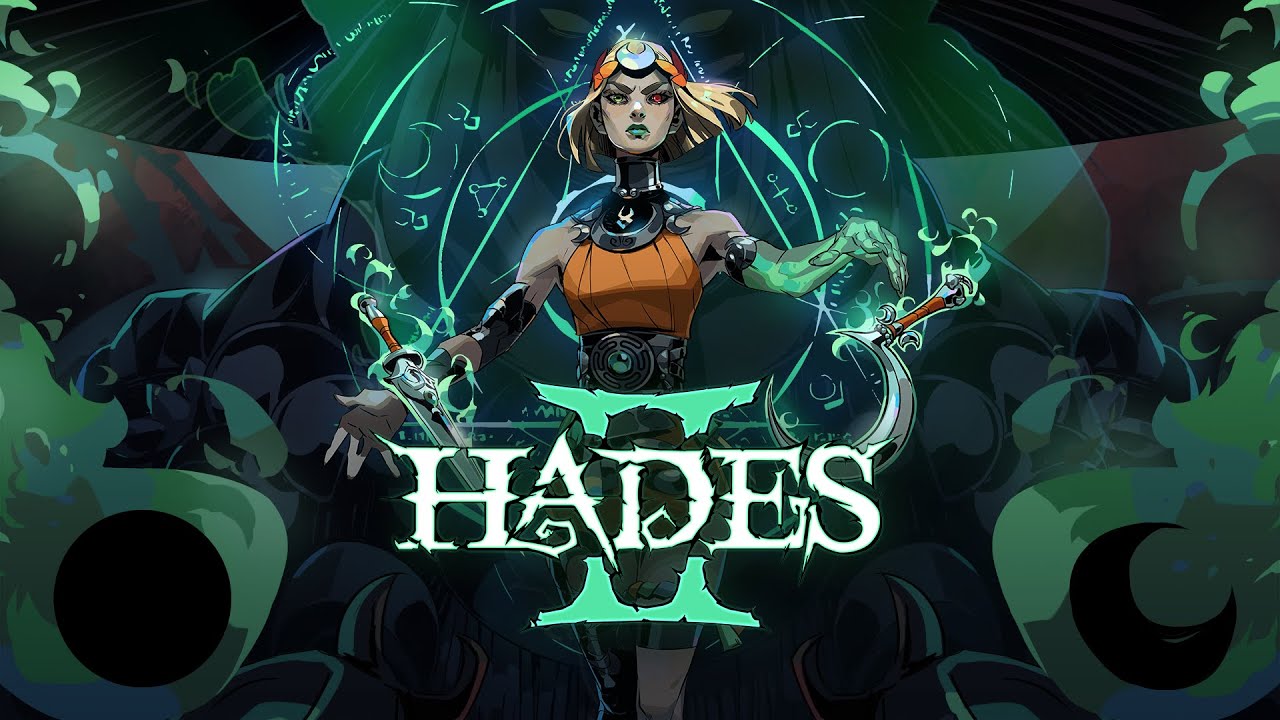
Supergiant’s illustrated character art, expressive voice performances and responsive soundtrack remain exceptional. Combat stays readable even when effects fill the screen, and the atmosphere moves comfortably between mythic grandeur, melancholy and dry humour.
Visual clarity, responsive feedback and stable pacing matter as much as raw spectacle. Hades II is most effective when its art, interface and audio make the player’s next decision understandable without reducing the atmosphere or dramatic impact.
Content, Replayability and Value
The volume of weapons, keepsakes, incantations, relationships and challenge modifiers gives the campaign unusually strong longevity. Repetition is still part of the design, but new dialogue and mechanical discoveries delay the point where repeated rooms begin to feel routine.
Value depends on whether the central loop remains enjoyable after its surprises become familiar. Here, the strongest systems continue to support experimentation and improvement, while the listed limitations are most noticeable for players who try to complete every optional objective.
Who Is It For?
Essential for players who enjoy demanding action, experimentation and stories that unfold through repeated attempts. Players who dislike roguelite resets will still face the genre’s central friction, even though the permanent progression is generous.
Players should judge the purchase around the style of play described above rather than the size of the feature list alone. The game is easiest to recommend when its core rhythm matches what the player already enjoys.
What We Liked
- Deep, flexible build crafting
- Excellent combat feedback and controls
- Outstanding writing, art and music
- Substantial routes and long-term progression
What Could Be Better
- Repeated runs remain fundamental
- Busy effects can overwhelm new players
- Some upgrades take time to reveal their value
Final Verdict
Hades II earns a GameHarbor score of 9.4/10. A confident sequel that expands the original game’s fast, reactive combat without losing the clarity, personality or run-to-run momentum that made Hades so easy to return to. Essential for players who enjoy demanding action, experimentation and stories that unfold through repeated attempts. Players who dislike roguelite resets will still face the genre’s central friction, even though the permanent progression is generous.
Comprehensive GameHarbor review added 29 June 2026.